What is a nor'easter, and which alerts come with one?
A nor'easter is a storm that forms along the East Coast of North America and drives strong northeast winds onto the coast. It is a different kind of storm from a hurricane, and there is no alert called a "nor'easter warning". When one is coming, the National Weather Service warns about what it will do where you are: snow, wind, or sea water on the streets.
Where the name comes from
The National Weather Service (NWS) says the storm gets its name because the winds over the coastal area typically blow from the northeast. It is named for the wind people on shore feel, not for the direction the storm travels.
NWS also says nor'easters can happen at any time of year but are most frequent and most violent between September and April. The first one of a season can arrive in early autumn, well before anyone is thinking about snow.
How is a nor'easter different from a hurricane?
The difference is the fuel. A hurricane forms over warm tropical water and runs on that warmth. A nor'easter, according to NOAA, forms further north near the US East Coast and gains strength from cold air. NWS describes the fuel as the temperature difference between warm air over the ocean and cold Arctic air over the land.
That is why nor'easters peak in the colder months, when that contrast is sharpest, and why NOAA says they are most severe in winter. It does not make them weak. NOAA notes that a nor'easter can produce gusts stronger than hurricane-force winds.
NWS lists what they nearly always bring: heavy rain or snow, winds of gale force, rough seas and, sometimes, coastal flooding. Gale force is 34 to 47 knots in NWS marine terms, roughly 39 to 54 mph or 63 to 87 km/h.
Is there a nor'easter warning?
There isn't one. NWS does not put out an alert for the storm as a whole. It puts out an alert for each hazard the storm brings.
According to NWS, when conditions look favourable in the coming days, forecasters may issue:
- a winter storm watch or a blizzard watch, for heavy snow or blizzard conditions
- a high wind watch, for damaging wind
- a coastal flood watch, for sea water pushed onto land
When the hazard becomes imminent, the watch is changed to a warning. One nor'easter can therefore put a coastal town under a coastal flood warning and a high wind warning while a town inland gets a winter storm warning. Each alert names the hazard, so reading which one applies to your area tells you more than the storm's headline does. Our piece on what watches, warnings and advisories ask of you covers how the steps from watch to warning differ.
What NWS says about flood water
Coastal flooding rises and falls with the tide, so the worst water can come at high tide rather than at the windiest hour, and a slow storm that stays through several tides can flood the same streets more than once.
The NWS Turn Around Don't Drown campaign notes that 12 inches (30 cm) of rushing water can carry away most cars, and that 6 inches (15 cm) of fast-moving flood water can knock over an adult. Road closures and evacuation orders come from local officials.
Where Ora Weather fits
Ora Weather shows severe weather alerts on both tiers, and it follows the official NWS classifications rather than inventing its own. During a nor'easter you see the coastal flood, high wind or winter storm alert NWS issued for your area, with what is happening, what to do and when it ends. Radar runs two hours ahead on the free tier and up to twelve hours ahead on OraPlus, which helps with a narrower question: when the rain or snow will reach you.
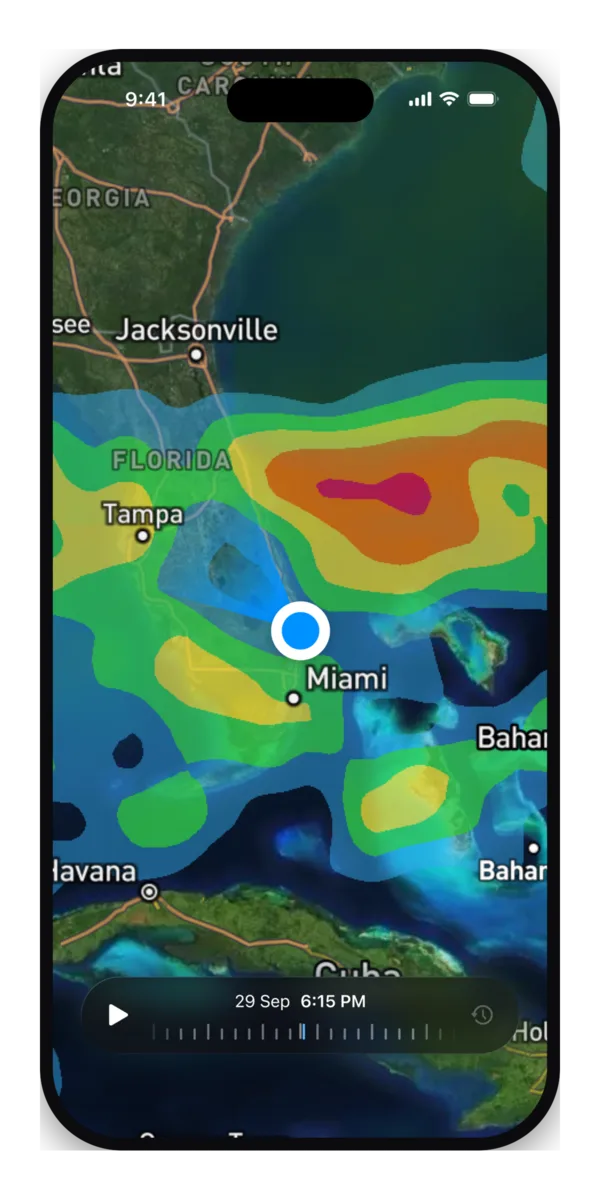
It does not replace the alerts, and it is not meant to. A nor'easter is one storm with several hazards, and the NWS alerts are what say which of those hazards reaches your street.
Common questions
- Is a nor'easter the same as a hurricane?
- No. A hurricane forms over warm tropical water and draws its energy from it. According to NOAA, a nor'easter forms further north, near the East Coast of the United States, and gains strength from cold air. The two can bring similar impacts, including strong winds and coastal flooding.
- When is nor'easter season?
- The National Weather Service says nor'easters can happen at any time of year but are most frequent and most violent between September and April. NOAA adds that they are most severe in the winter months.
- Is there such a thing as a nor'easter warning?
- No. The National Weather Service issues alerts for the hazards a nor'easter brings rather than for the storm itself. Depending on the storm, those can be winter storm, blizzard, high wind or coastal flood watches and warnings.
- Can a nor'easter be stronger than a hurricane?
- In some ways it can. NOAA notes that nor'easters can produce wind gusts stronger than hurricane-force winds, and they can bring heavy snow, blizzards, flooding and beach erosion.
- Do nor'easters get names?
- Not from the National Weather Service. The National Hurricane Center names tropical storms and hurricanes, and nor'easters are not on those lists. A name you see attached to a nor'easter comes from a broadcaster or the press.